
Meaningful Memory Care Activities for Seniors With Cognitive Decline
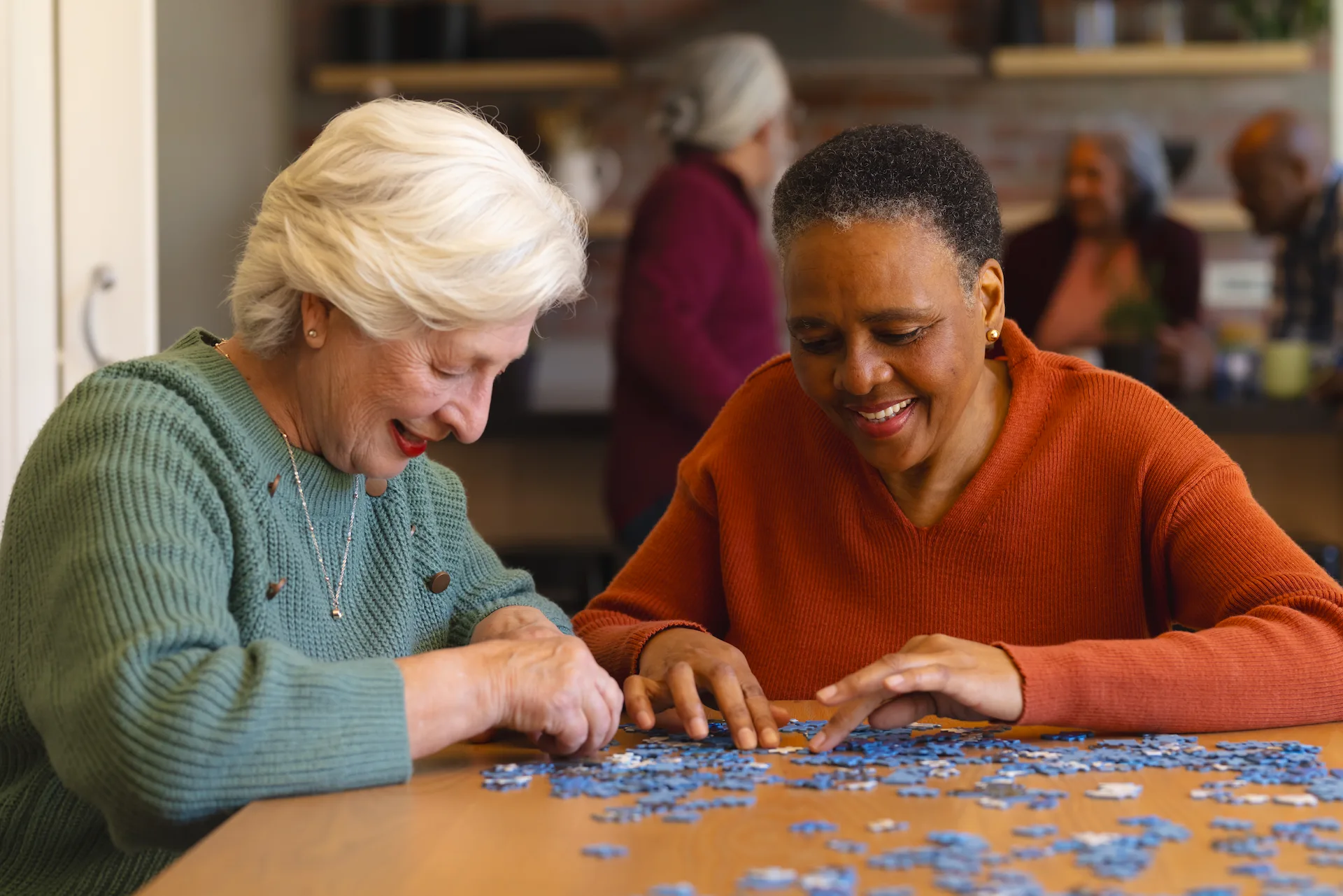
Caring for a loved one who is experiencing memory loss can be a challenging task. However, there are many ways and activities that can support their emotional well-being and bring joy to both them and you. In this article, we will take a closer look at memory care activities and their impact on quality of life.
Why Memory Care Activities Matter
Structured activities are much more than just a way to fill free time. They have a positive impact on improving the quality of life, especially for those who experience memory difficulties or cognitive impairment. Participating in such activities helps people find emotional support, develop social connections, and stimulate mental activity.
Supporting Cognitive Function and Mental Stimulation
Familiar tasks and sensory experiences can support cognitive function and provide a sense of comfort through recognition. Cognitive and sensory activities:
- interaction with music – listening, singing, or fun contests;
- triggering memories through photo albums;
- quizzes or puzzles focused on the cultural context of the generation;
- sensory gardens and nature observation;
- adapted puzzles and word games.
Such activities are particularly valuable for elderly people with dementia, as they activate long-term memory, which lasts longer than recent memories. Music can evoke emotional responses and bring memories to life even in the later stages of the disease.
Promoting Emotional Comfort and Reducing Anxiety
Regular participation in activities for memory care patients helps create a calm atmosphere, reducing internal tension and anxiety. At the same time, they create space for communication, enabling warm, meaningful relationships to form with caregivers and other participants. In addition, specially selected activities engage preserved skills and evoke pleasant memories, thereby strengthening a sense of confidence and supporting human dignity.
Types of Activities That Benefit Memory Care Residents
Personalized activities for memory care help them feel more confident and included in everyday life. When activities take into account a person’s past experiences, interests, and current abilities, they reduce the risk of frustration and create a supportive atmosphere.
Stable routines create a sense of security and comfort for those facing memory challenges. Daily activities – whether morning exercises or creative activities after lunch – provide a predictable order, reduce anxiety, and promote independence.
Creative and Artistic Activities
Creative practices such as art therapy, painting, and drawing are open to everyone and focus not on technique but on enjoying the process. Through art, individuals can convey their emotions, develop their imagination, and gain self-confidence through personal triumphs. Collages made from photographs and magazines are transformed into personal stories that become topics of discussion and create memorable items for residents.
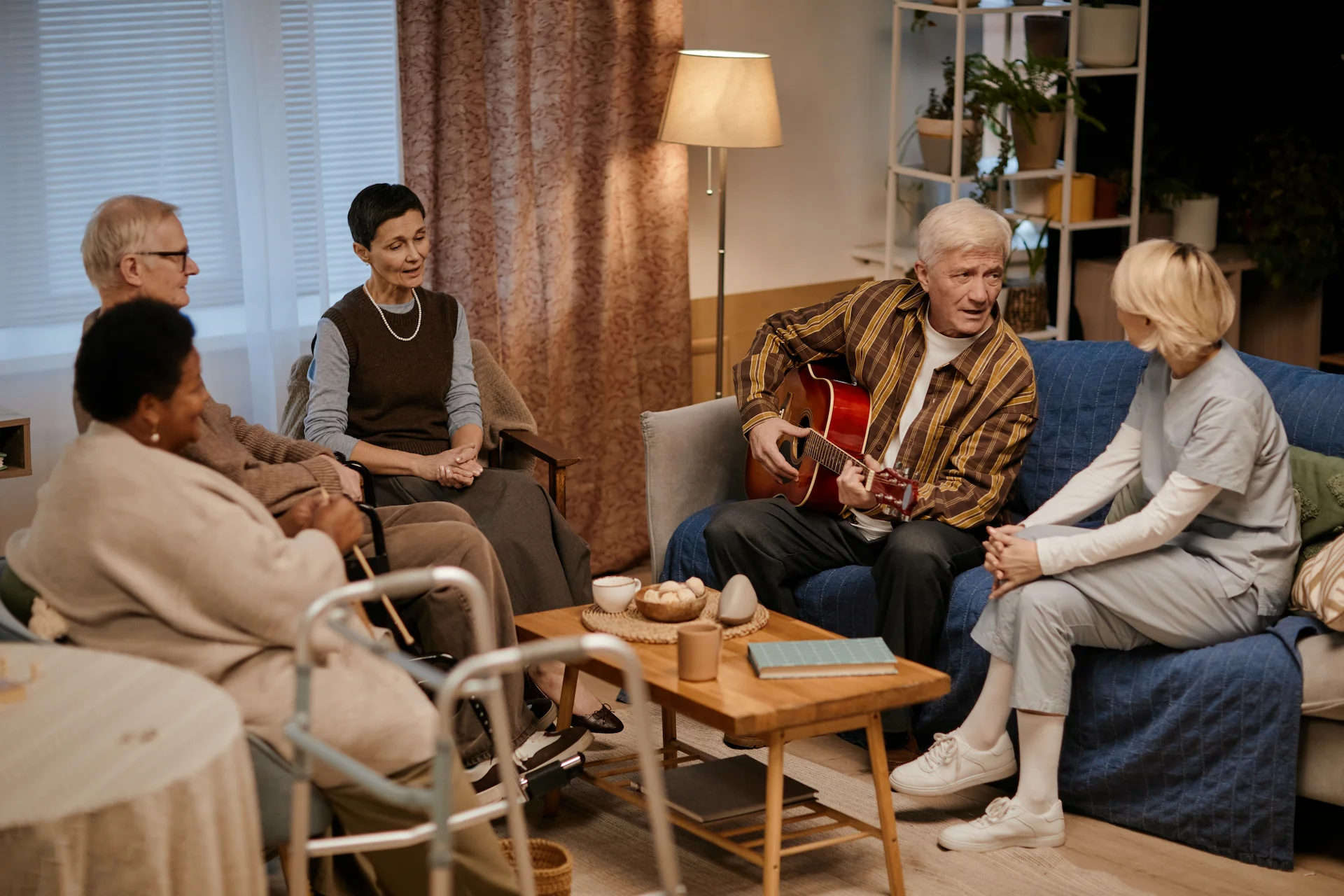
Music classes complement this. Favorite songs evoke joy and recognition, activating deep memory centers. Singing together and simple rhythmic exercises engage participants without pressure, forming social bonds and sensory interaction. Combined with storytelling, it helps to revive memories and support cognitive functions, creating an atmosphere of trust and creativity.
Physical and Movement-Based Activities
Regular physical activity helps seniors stay active and maintain cognitive abilities. It can be adapted to different levels of mobility and create a sense of safety and comfort. Among these activities, the following are worth highlighting:
- group walks in the fresh air with moderate exertion;
- nature observation and walks in gardens;
- chair stretches, yoga, and tai chi for flexibility and balance;
- dance therapy with simple movements to familiar music.
These classes strengthen the body, stimulate memory, reduce anxiety, and promote social interaction.
Social and Engagement Activities
Among activities for memory care seniors, it is worth highlighting those that elicit maximum engagement. This varies from person to person. Among the popular forms of leisure, the following can be highlighted:
- morning music gatherings with live songs and rhythms;
- friendly tea parties with discussions of the latest news and magazines;
- visits from therapy animals;
- holiday events and theme days;
- joint projects with local schools and families that bring together different generations.
Such activities are particularly valuable for older adults with dementia. They support the functioning of various areas of the brain, help slow cognitive decline, and create a predictable daily routine. In addition, participating in group activities strengthens social skills and fosters an atmosphere of trust and support.
How to Personalize Activities for Each Senior
There are no universal activities for memory care residents. Each one must be selected individually. To do this, you need to find out about the senior’s hobbies and preferences. Give them the opportunity to try out different activities. Over time, this will allow them to decide what they like best.
Creating a Safe and Supportive Activity Environment
For older people, festive events can be a source of joy and anxiety at the same time. The anticipation of meeting loved ones is often accompanied by concerns about accessibility, safety, and feelings of alienation. Caring for the older generation requires attentive consideration of their needs, the creation of a comfortable environment, and a thoughtful approach to organizing space.
Decorations can create a festive atmosphere, but without proper planning, they can become a potential hazard. Decorations must be securely fastened, and it is better to avoid using fire in favor of safe alternatives. It is important to avoid cluttered walkways, keep an eye on wires, and consider possible allergic reactions to scented materials. This allows you to maintain a festive mood without sacrificing the safety and comfort of older people.